

Embodied AI Insurance: Risk Mapping and Selection Framework Observations
Embodied AI insurance is still in its early stages, facing challenges such as insufficient data, lagging clauses, and contradictions between product standardization and scenario fragmentation. This article outlines the risk needs of different entities in the industry chain, provides a selection checklist and procurement suggestions, and helps enterprises identify risk exposures and flexibly combine protection plans.
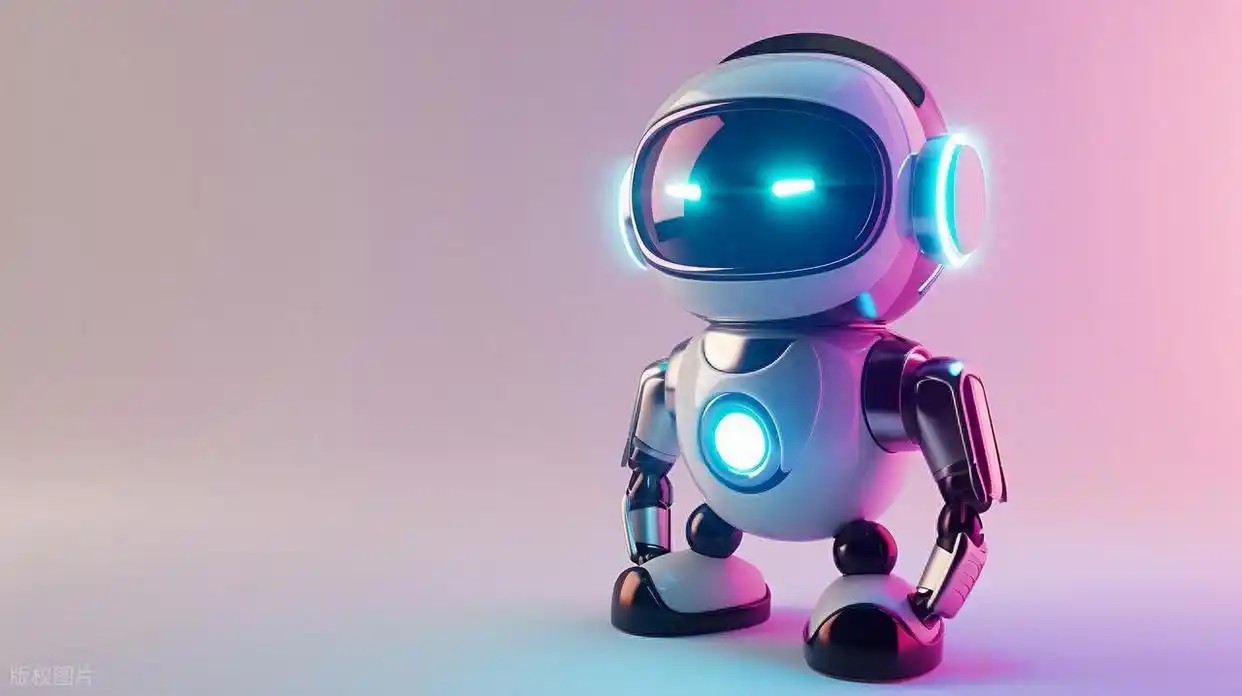
Embodied AI robots are moving from laboratories to factories, shopping malls, and homes, and their autonomous perception and decision-making capabilities introduce new risk dimensions. When devices operate in real-world environments, issues such as collisions, falls, algorithmic misjudgments, or data breaches may lead to property damage and liability disputes. Insurance, as a risk management tool, has become a focus of industry attention on how to adapt to this emerging field. Based on public information and industry observations, this article outlines the risk mapping of embodied AI, analyzes the insurance needs of different entities, and discusses optimization directions for insurance products, aiming to provide readers with selection references.
Key Takeaways
Embodied AI insurance is still in its early stages, facing challenges such as insufficient data, lagging clauses, and contradictions between product standardization and scenario fragmentation. Currently, enterprises should prioritize identifying their own risk exposures, choose modular products that can be flexibly combined, and pay attention to insurers' risk control service capabilities. The insurance industry, on the other hand, needs to promote data sharing and product innovation, shifting from passive underwriting to active risk control, and gradually build a protection system that adapts to industry needs.
Industry Chain Observations
The embodied AI industry chain involves multiple segments including complete machine manufacturing, technology R&D, scenario application, and operations, each with significantly different risk characteristics and insurance needs. Complete machine manufacturers focus on risks related to high product value and rapid iteration, such as maintenance and liability; technology R&D enterprises face difficulties in quantifying losses due to algorithmic uncertainty; companies targeting household consumers must address dual pressures of product defects and privacy protection; scenario operators need to guard against accidents during exhibitions and rentals. These needs call for differentiated insurance solutions rather than one-size-fits-all products.
Scenario and Capability Matching
Different application scenarios have varying insurance needs. In industrial human-robot collaboration scenarios, robots share space with workers, safety standards are not yet unified, and risks are difficult to quantify; in commercial exhibition and rental scenarios, high-frequency movement and public contact increase third-party liability risks; in home service scenarios, user groups are special, and privacy protection and personal safety risks are sensitive. Enterprises should assess the frequency and severity of risks based on their own scenario characteristics and choose coverage scope and limits that match.
Selection Checklist
When purchasing embodied AI insurance, enterprises may refer to the following checklist:
- Identify risk exposures: clarify equipment value, usage scenarios, responsible parties, and other factors.
- Verify coverage scope: confirm whether risks such as hardware damage, software failure, algorithmic errors, and data breaches are covered.
- Pay attention to exclusions: understand whether the policy excludes "internal cause" losses, such as natural aging or software bugs.
- Evaluate flexibility: check if it supports project-based or daily coverage and whether modular combinations are possible.
- Examine service capabilities: whether the insurer provides value-added services such as risk assessment, training, and rapid claims processing.
Procurement and Verification Suggestions
During the procurement process, it is recommended that enterprises compare multiple options and prioritize institutions with experience in technology insurance or data cooperation with the industry. Additionally, they may request past claims cases or simulated pricing explanations to verify professional capabilities. For ambiguous terms in clauses, written clarification should be sought. Furthermore, enterprises may consider establishing data-sharing mechanisms with insurers to promote more accurate risk pricing.
(Note: The images in the article are from the original text and are used for supplementary explanation.)
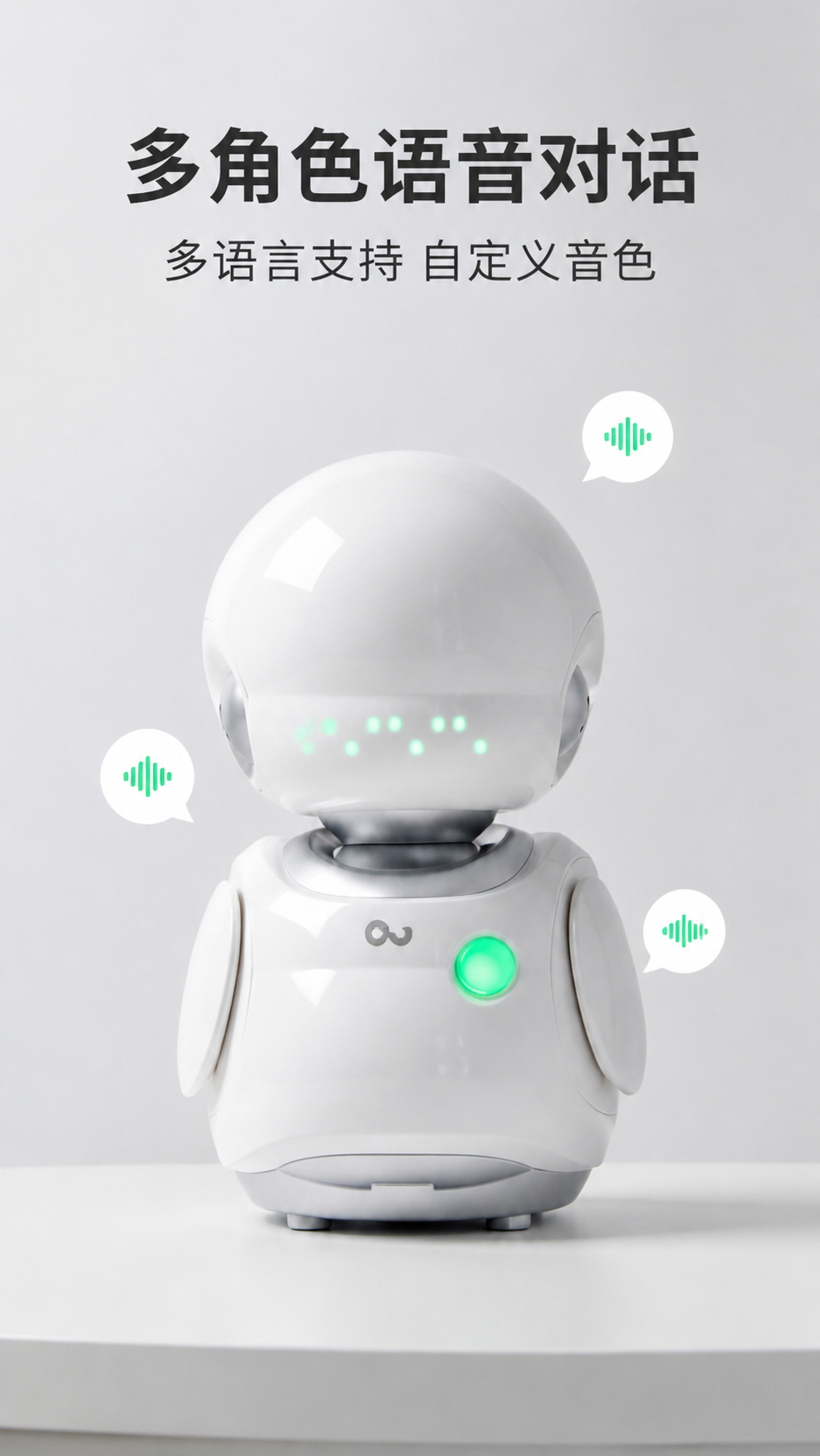
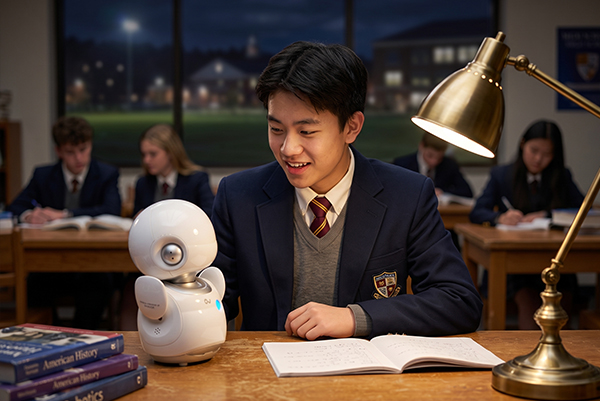
As an industry observer, OUBOT will continue to follow the development of embodied AI insurance and provide readers with more neutral and practical information.
Further reading and resources
Explore applications→Explore products→Back to this section→Frequently asked questions
When robots operate in real-world environments such as factories, shopping malls, and homes, issues like collisions, falls, algorithmic misjudgments, or data breaches may lead to property damage and liability disputes. Additionally, the frequency and severity of risks vary across different applicati
They should identify risk exposures such as equipment value, usage scenarios, and responsible parties; verify whether the coverage includes hardware damage, software failure, algorithmic errors, and data breaches; pay attention to exclusions; and evaluate the flexibility of terms and the insurer's v