

Embodied AI Insurance: From Passive Underwriting to Active Risk Control for Industry Protection
This article outlines the risk dimensions, industry chain needs, and market contradictions of Embodied AI insurance, providing a selection checklist and procurement recommendations to help enterprises build a risk management framework.
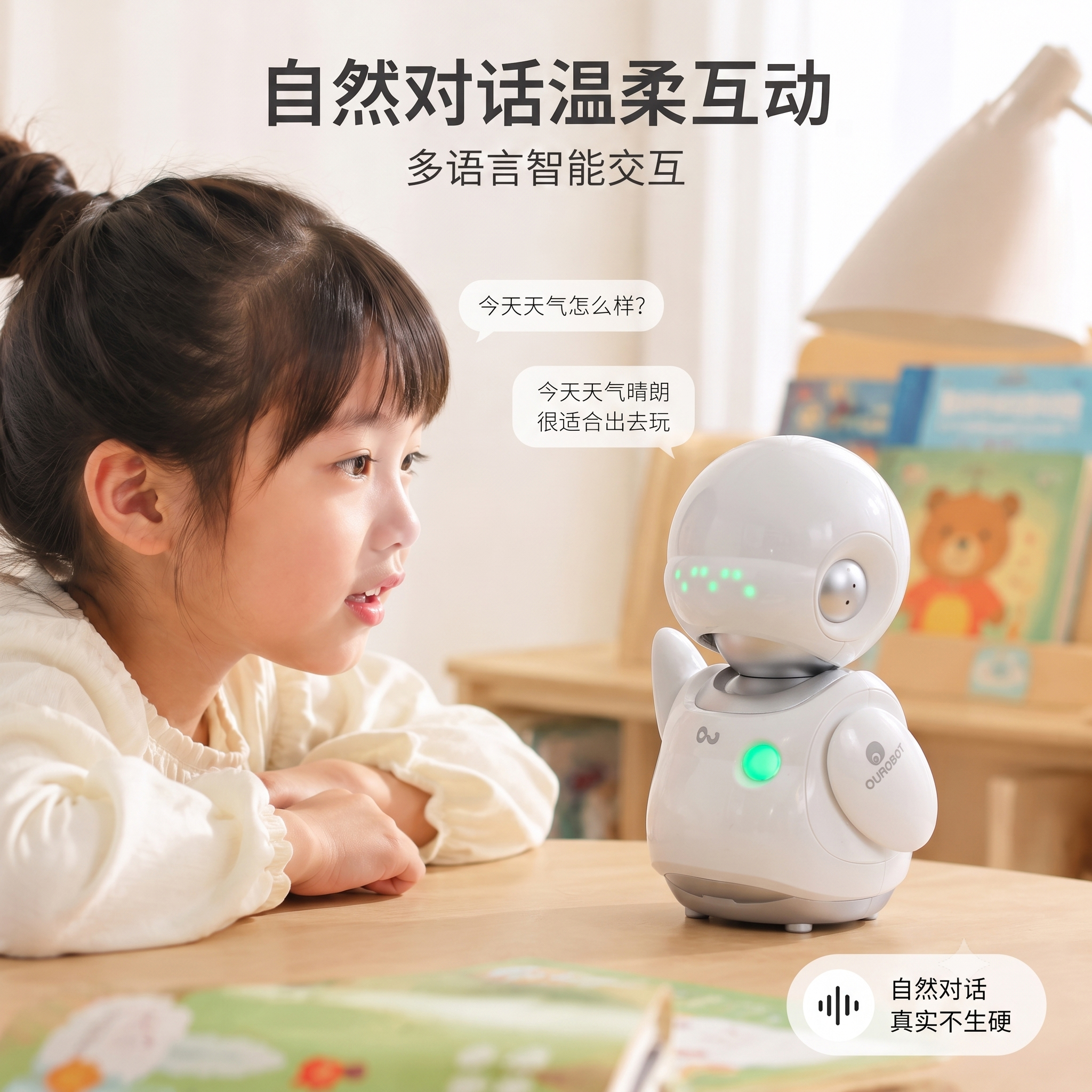
In 2026, Embodied AI is moving from "concept hype" to "real-world application." From human-robot dance on the Spring Festival Gala stage to collaborative operations in factory workshops, and to warm companionship in home scenarios, humanoid robots and Embodied AI systems are penetrating various industries at an unprecedented pace. However, as robots' "iron feet" step into the complex soil of the real world, an unavoidable question arises: Who pays when equipment falls? Who is liable for algorithm errors? Who compensates for data leaks?
Key Takeaways
The Embodied AI insurance market is still in its early stages, facing challenges such as lack of data, difficulty in liability determination, and insufficient product standardization. The insurance industry needs to shift from passive underwriting to active risk control and ecosystem co-building, supporting the industry through data sharing, modular products, and insurance-plus-services approaches. Based on public information and industry observations, this article outlines the risk framework and selection points for reference.
Industry Chain Observations
Embodied AI robots possess autonomous perception, real-time decision-making, and environmental adaptation capabilities, with risk dimensions far exceeding those of traditional industrial robots. Their risks can be categorized into four layers: physical damage risk, technical and algorithmic risk, cybersecurity and data privacy risk, and liability ambiguity risk. Different industry chain players, such as complete machine manufacturers, technology R&D and scenario application enterprises, home consumer enterprises, and scenario operators, have significantly different risk pain points and insurance demands, making a one-size-fits-all product unsuitable.
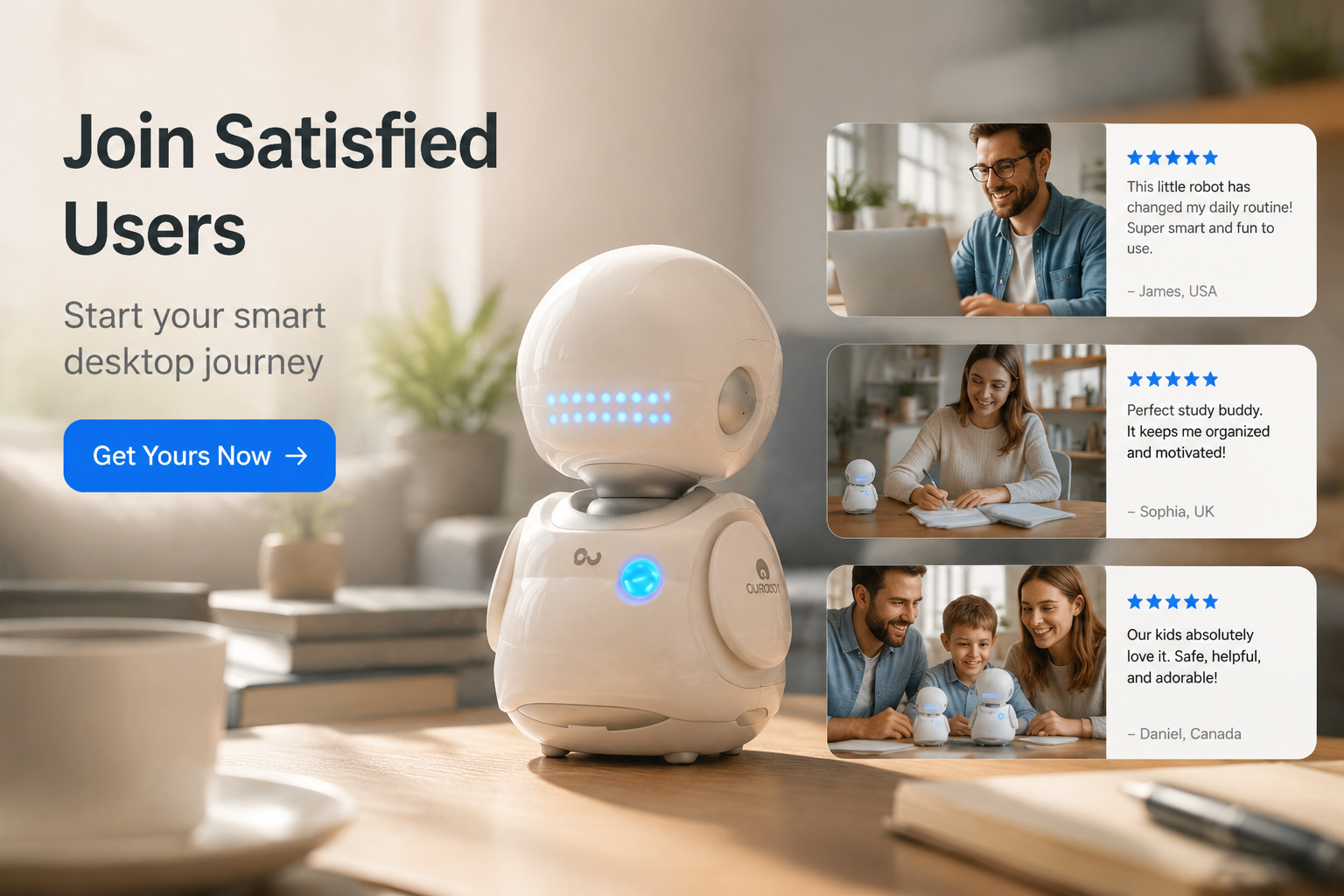
The current market faces four structural contradictions: data vacuum leading to pricing failure, liability boundaries exceeding traditional clause frameworks, the conflict between scenario fragmentation and product standardization, and severely lagging market awareness. Among these, pilot testing and scenario adaptation risks are easily overlooked but have high accident rates; environmental differences can lead to software-hardware incompatibility, perception failures, and other issues.
Scenario and Capability Matching
Different scenarios have varying insurance needs. Complete machine manufacturers focus on rapid repair and public liability insurance, requiring flexible short-term products; technology R&D enterprises face risk quantification challenges and need dynamic pricing support; home consumer enterprises emphasize product liability and privacy protection, hoping to embed insurance as a trust endorsement; scenario operators are closer to comprehensive event liability insurance and prefer bundled procurement. Enterprises should assess their risk exposure based on their own scenarios and match corresponding coverage.
Selection Checklist
When selecting Embodied AI insurance, enterprises can refer to the following checklist: 1. Does the coverage include "internal cause" losses (e.g., algorithm defects, software failures)? 2. Does it support modular combinations and flexible billing? 3. Does it provide risk reduction services (e.g., safety assessments, training)? 4. Is the claims process adapted to software-hardware collaborative diagnosis? 5. Does it have data cooperation and dynamic pricing capabilities? 6. Does it clearly define liability determination mechanisms?
Procurement and Verification Recommendations
It is recommended that enterprises: 1. Prioritize insurance companies with data accumulation or cooperation mechanisms; 2. Require customized solutions rather than standard products; 3. Clearly specify exclusions and claims timelines in contracts; 4. Jointly promote standard setting with the industry. The insurance industry can explore industry-level data sharing, modular product matrices, insurance-plus-services models, and establish fast-track claims channels and legal support. However, note that specific commitments such as claims timelines should be subject to the contract, and industry practices are still evolving.
OUBOT, as an industry observer, will continue to monitor the development of Embodied AI insurance and provide neutral information to readers. The risks and recommendations described in this article are general frameworks; specific decisions should be made based on enterprise realities and professional consultation.
Further reading and resources
Explore applications→Explore products→Back to this section→Frequently asked questions
Generally, it can cover four types of risks: physical damage, technical/algorithm failures, cybersecurity and data privacy, and liability ambiguity. However, current product standardization is insufficient, and the specific coverage needs to be customized based on scenarios, especially confirming wh
Complete machine manufacturers should focus on rapid repair and public liability; technology R&D enterprises need dynamic pricing and risk quantification; home consumer enterprises focus on product liability and privacy protection; scenario operators prefer bundled comprehensive event liability insu
Main challenges include data vacuum leading to pricing failure, liability boundaries exceeding traditional clause frameworks, difficulty in reconciling scenario fragmentation with product standardization, and lagging market awareness. The industry is exploring industry-level data sharing, modular pr