

Consumer-Grade Embodied AI: From Technology Trends to a Selection Framework
From an industry chain perspective, this article analyzes the technology trends, application scenarios, and selection key points of consumer-grade embodied AI, providing procurement and validation advice to help users make rational decisions.
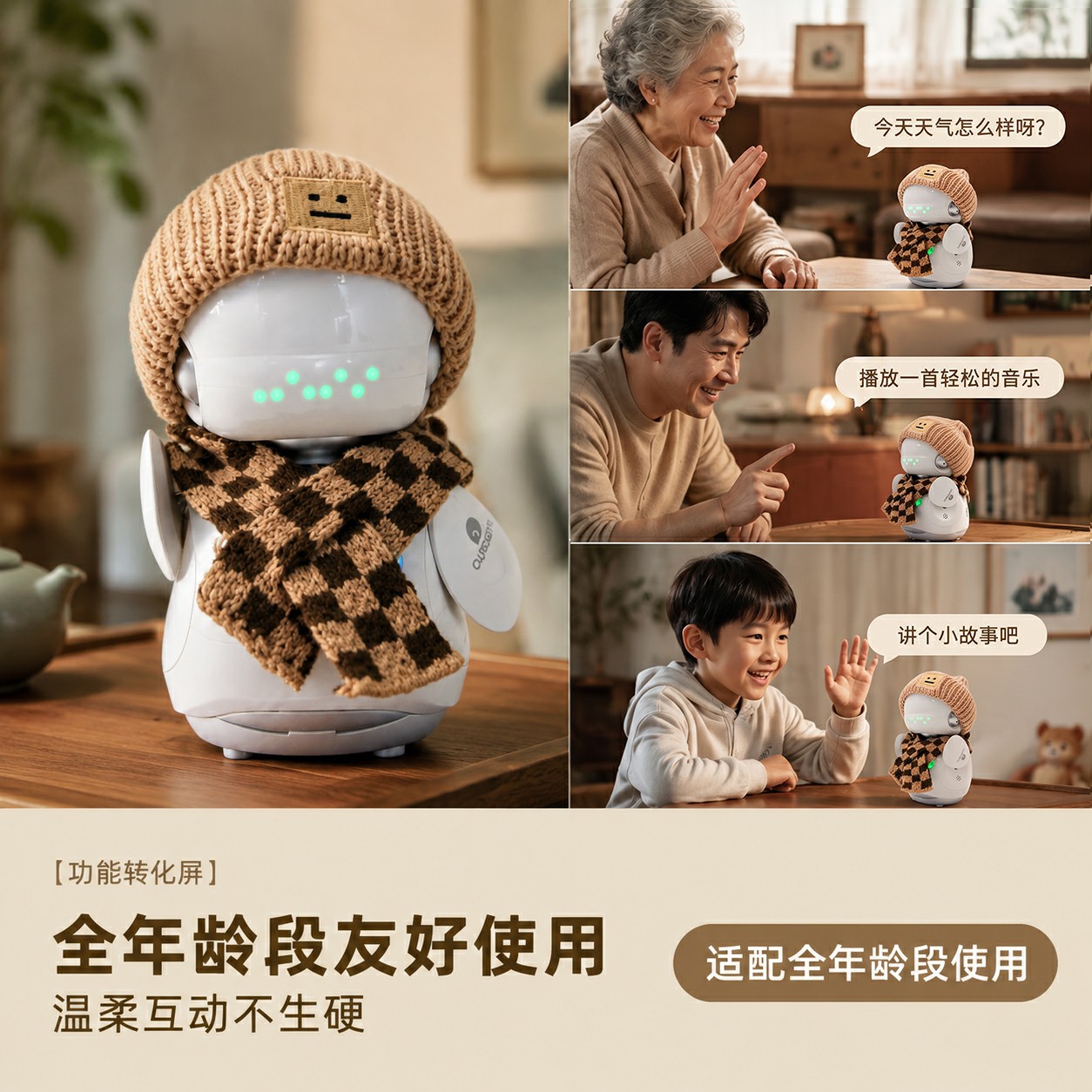
As AI and robotics technologies converge, consumer-grade embodied AI products are gradually entering scenarios such as homes, hotels, and elderly care. From an industry chain perspective, this article reviews technology trends, scenario demands, and selection key points, offering a neutral observation and decision-making reference for potential users.
Key Takeaways
Consumer-grade embodied AI is still in its early development stage, with variations in technological maturity and scenario adaptability. When considering procurement, users should focus on the naturalness of interaction, environmental adaptability, safety, and after-sales support, and conduct small-scale pilots based on their own needs, rather than blindly chasing the "first year" concept.
Industry Chain Observations
The embodied AI industry chain encompasses core components (such as sensors and actuators), AI algorithms, complete machine manufacturing, and scenario applications. Currently, the development of multimodal large models has enhanced robots' perception and interaction capabilities, but hardware costs and reliability remain key constraints for large-scale deployment. Collaboration across the industry chain is still being refined, and standards and ecosystems are not fully mature.
Scenario and Capability Matching
Different scenarios have significantly different capability requirements for robots:
- Home Scenarios: Emphasize emotional interaction and everyday companionship, requiring voice dialogue, emotion recognition, and basic household task execution capabilities.
- Hotel Scenarios: Focus on standardized services such as delivery and guidance, requiring high reliability and low maintenance costs.
- Elderly Care Scenarios: Focus on health monitoring, medication reminders, and emergency calls, requiring integration with existing medical systems.
Users should evaluate the functional redundancy and scalability of robots based on actual scenario needs, avoiding over- or under-provisioning.
Selection Checklist
- Interaction Experience: Does it support natural language multi-turn dialogue? Can it recognize different users?
- Environmental Adaptability: Can it navigate autonomously in complex home environments? How is its obstacle avoidance capability?
- Safety and Privacy: Does it have an emergency stop mechanism? Does data collection and storage comply with privacy regulations?
- Maintainability: Does it support remote upgrades? How are fault response and repair services?
- Cost-Effectiveness: Evaluate the return on investment cycle considering procurement, maintenance, and labor substitution costs.
Procurement and Validation Recommendations
It is recommended to adopt a "pilot first, then scale" strategy: deploy a small number of devices in target scenarios, conduct several months of real-world testing, collect genuine user feedback, and verify product stability and effectiveness. At the same time, pay attention to the vendor's technology iteration capability and ecosystem openness to ensure long-term value.
As an industry observer, OUBOT will continue to monitor the technological evolution and application practices of embodied AI, providing readers with neutral and objective analysis.